Fox and Lion

Hello God!

Thank You for a wonderful time we are spending our lives in. We live in fantastic time when we have a possibility to learn Renaissance, to walk in Florence and to share our impressions worldwide immediately. We are lucky to live now.

“The lion cannot protect himself from traps, and the fox cannot defend himself from wolves. One must therefore be a fox to recognize traps, and a lion to frighten wolves,” Machiavelli wrote in “The Prince”.  “It’s a handbook for gangsters.” Francis Bacon said about Machiavelli’s “The Prince”.

The Lion’s side of Machiavelli is well known. But what about fox’s side?

Florence

Fifteenth-century Florence was an exciting place to be. Renaissance is blooming and beauty is the ruler. Nicollo Machiavelli is a student of human nature, “a witty man and a very ordinary husband and father who enjoyed love affairs and filles de joie,” Miles Unger writes in “Machiavelli: A biography”.

O,la,la it seems we see a fox’s side in him!
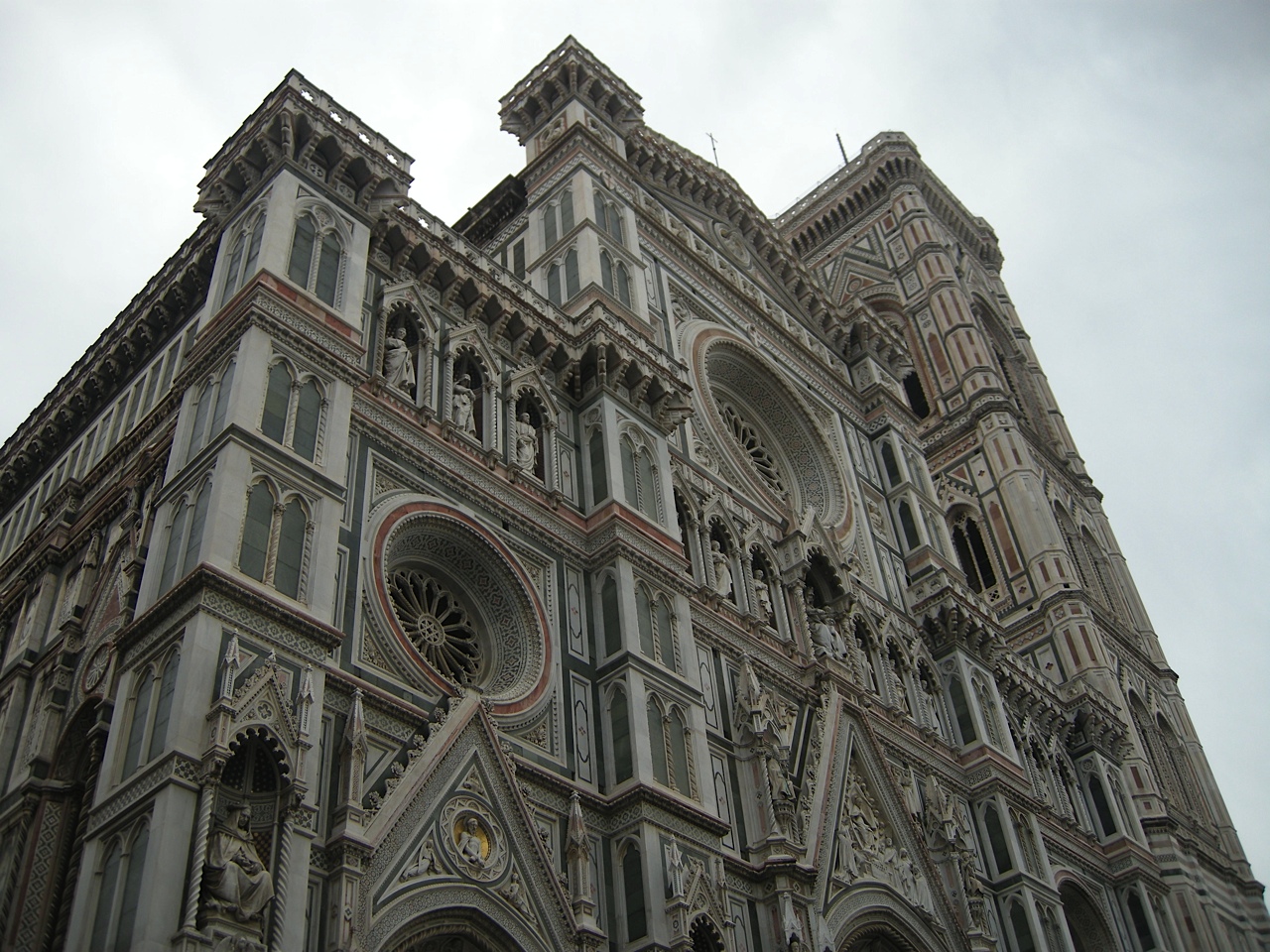
Florence1

Everyone knows Niccolo Machiavelli’s status as a great politician, but few are also aware that he was a first-rate playwright and satirist.
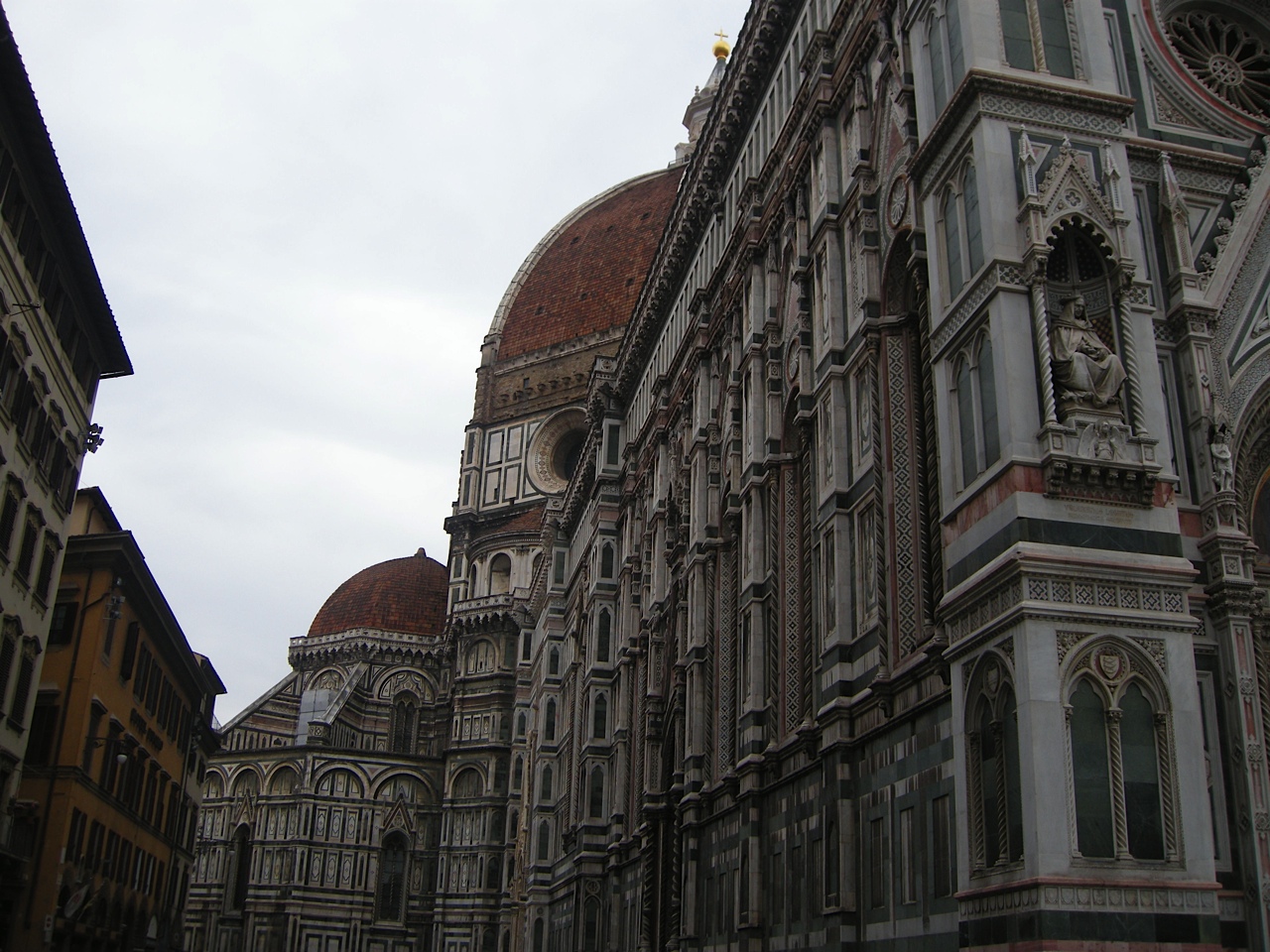
Florence2

His play Mandragola (probably written around 1519) is one of the outstanding comedies of the Italian Renaissance stage.

Florence3

The plot centers around a wealthy doctor of law, Nicia, and his beautiful wife Lucrezia. Callimaco, a young man, hears about Lucrezia’s beauty, and decides that he wants to become her lover. He learns of the couple’s inability to produce a child, so (with the help of his servant Ligurio), he disguises himself as a doctor and informs Nicia that he can produce a potion from the mandrake plant that, if taken by Lucrezia, will enable her to conceive. However, as Callimaco warns Nicia, the first man to have sexual intercourse with her will die from the effects of the potion. Luckily, Callimaco knows a man who will consent to have sex with her and bear the punishment of death. Nicia consents, and (along with Frate Timoteo) persuades Lucrezia to do the same. Callimaco disguises himself yet again, and is able to have his way with her.
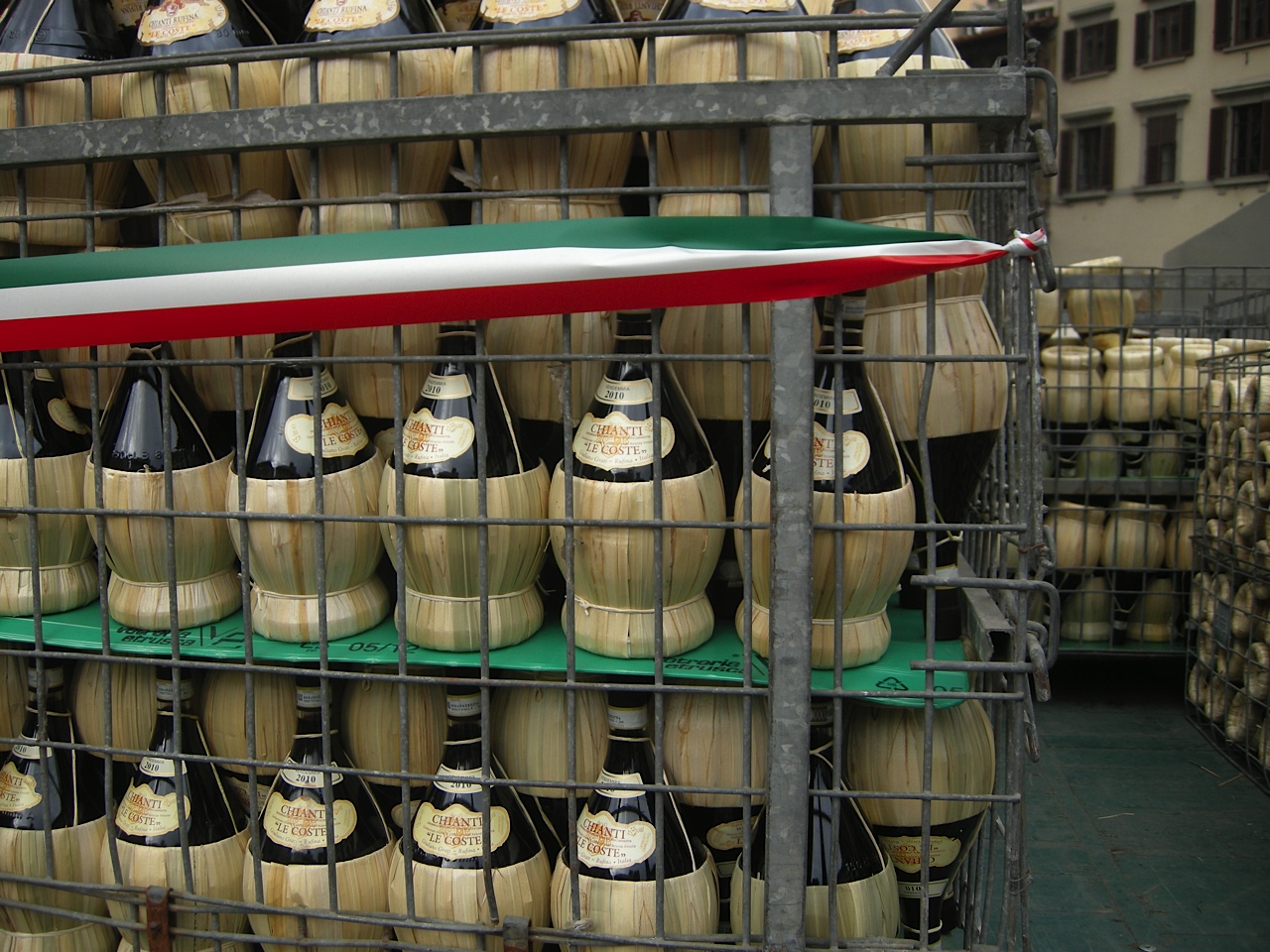
Florence4

The play is a brilliant comedy. It is also amazing to learn that it was performed successfully in 1520 before Pope Leo X in Rome.  The fact that the play celebrated sex and seduction, and totally ridiculed the clergy as frauds, bothered him not at all.  In fact, the Pope liked it so much that he asked Cardinal Giulio de Medici to award Machiavelli a commission as a writer.

Florence5

For a good summer night I would like to recommend the movie “La mandragola” (1965) by Albertto Lattuada. The film quite deservedly was Oscar nominated for Costume Design but also deserved a nod for its excellent cinematography. You will enjoy it, I promise!

Thank you for living your moment with me now.

River of Joy

Hello God!

Thank You for the river of joy which our life is. Every moment of my life I swim and am immersed in the flow of this river.

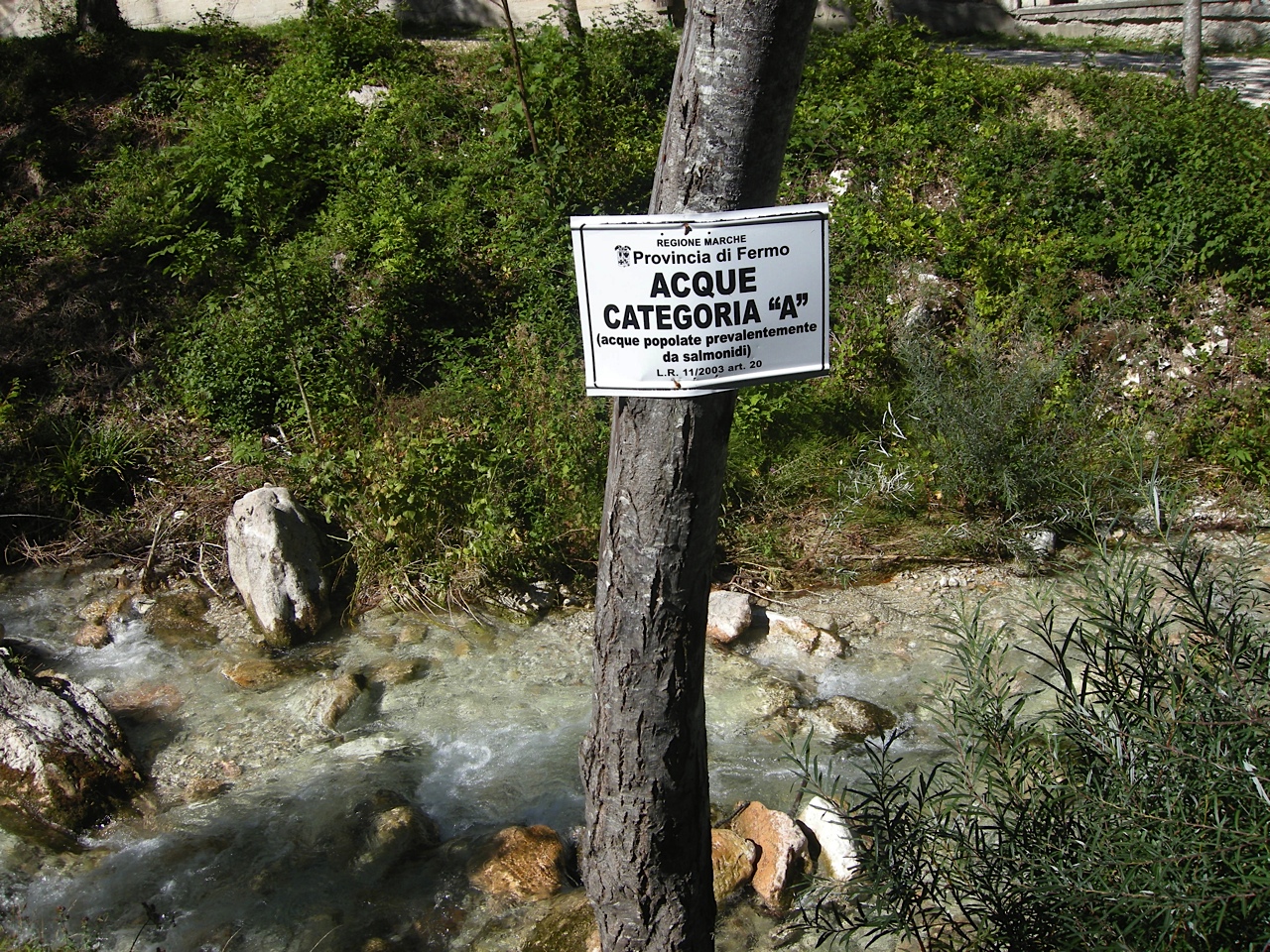
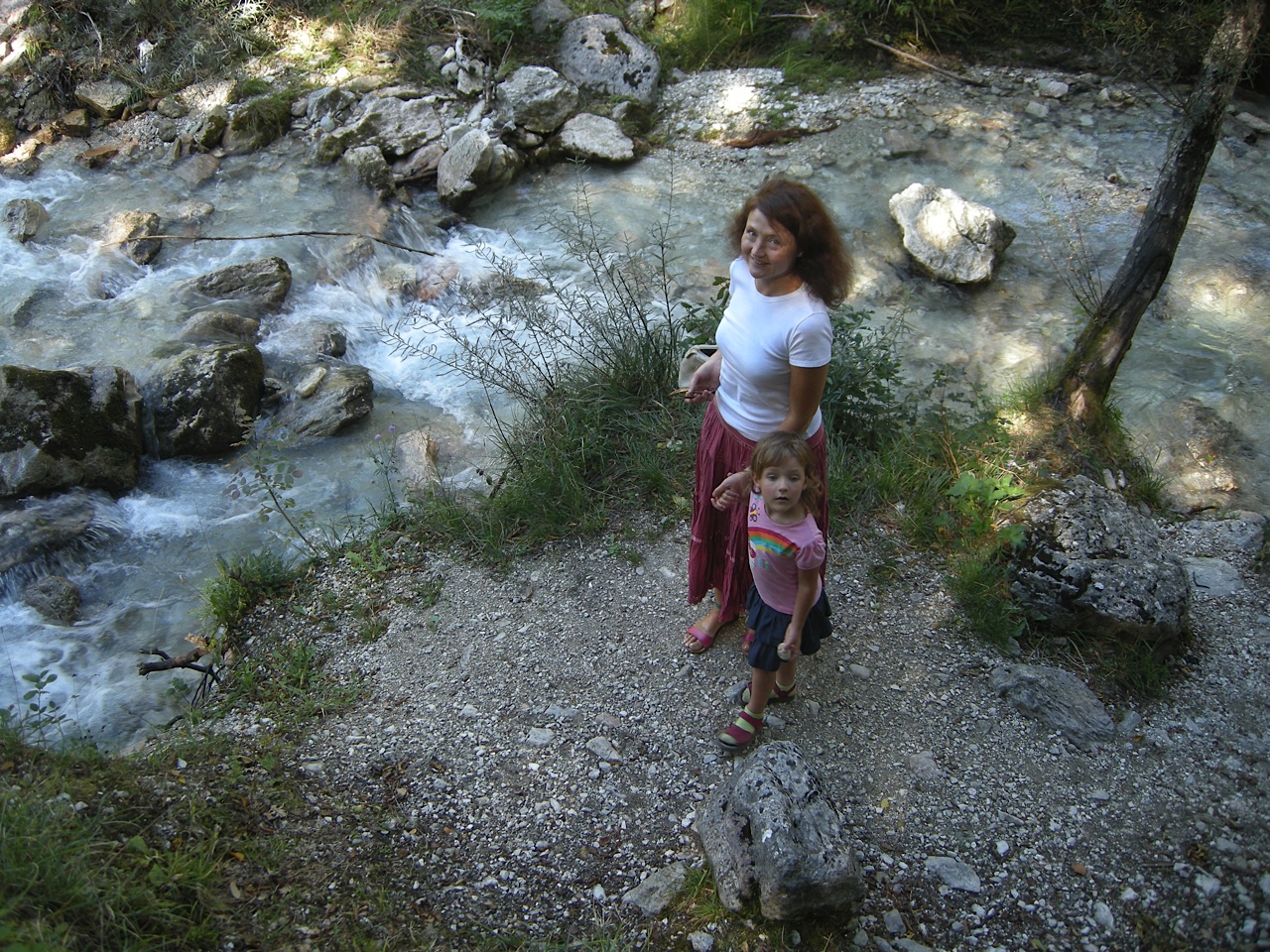
I would like to share with you a magic waves of joy and invite you for a walking along a beautiful mountain river somewhere in Italy. We are going to listen the sounds of nature and I tell you about my favorite movie of month.

It is “Samsara” movie. The movie is undoubtedly a masterpiece by Pan Nalin. There would be hardly 100 dialogues in this film spread over 2 hour 20 minutes but every word from the movie is great wisdom.

Everything you contact is a place to practice the Way

Joy

“I want you to tell me what will happen to that stick? -It will drown! -Suppose it doesn’t. -It will get stuck in the rocks! -Suppose it doesn’t get stuck. – It will stay in the water and rot! -No. It will get stuck in the whirlpool … or it can go down with a waterfall and crash!  -Suppose even that doesn’t happen. What then? Do you give up?

The answer is simple. The stick will reach the sea!

Samsara

The water in the river is crystal clear.

clear

… you will be able to tell me what’s more important: Satisfying one thousand desires or conquering just one?

RiverofJoy

Thank you for sharing with me this moment of happiness. I do hope I inspire you to watch the movie. It worth to spend 2 hours of life.

How can one prevent a drop of water from ever drying up? By throwing it into the sea…

walking

Not Brook but Ocean

Hello God!

Thank You for creating music we are able to listen. I love music by Johann Sebastian Bach. “Bach” is the German word for “brook”.

“Not Brook but Ocean should be his name” said Ludvig Van Beethoven.

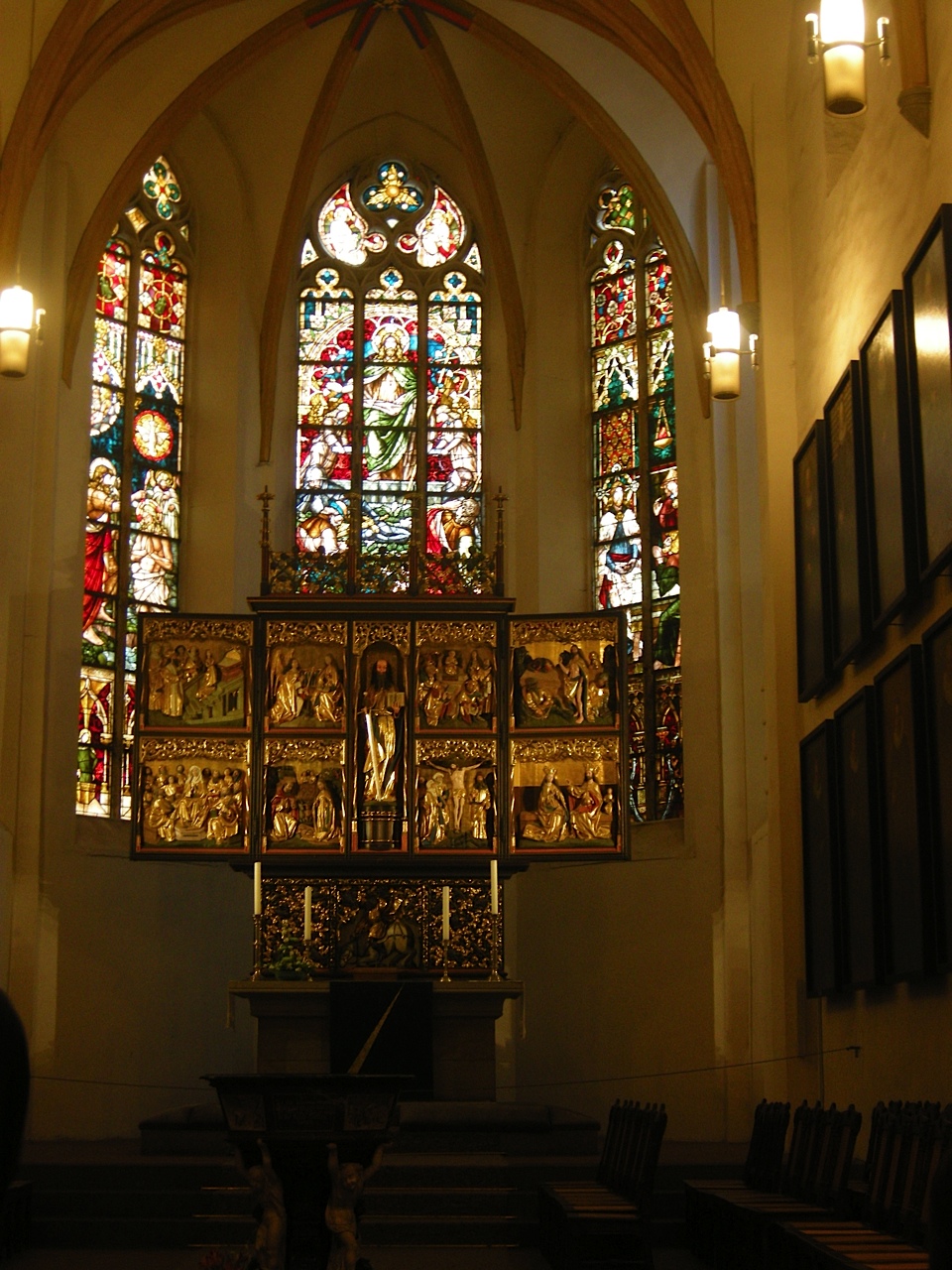
I am lucky because I have had a possibility to be in Leipzig and walking to St. Thomas Church where Bach worked as a cantor from 1723 until his death in 1750.

I play the piano and the first piece I begin with my morning lesson is something from “Well Tempered Clavier”. Bach gave the title to a book of preludes and fugues in all 24 major and minor keys, dated 1722, composed “for the profit and use of musical youth desirous of learning, and especially for the pastime of those already skilled in this study.”

Bach makes my mornings. Every preludes and fugues are challenge for my fingers and enigma for brain and soul. I love to think that I am playing and listening the harmony of the universe.

“First, he was an intensely spiritual man. Second, he devoted his massive talent to the God he believed graced him with it,” Rick Marschall wrote in “Johann Sebastian Bach”.

“You want to discern a personality in my music?” we can perhaps hear him asking. “Listen closer and you will find one – the Lord Jesus Christ,” Rick said.

Below Johann Sebastian Bach’s 1722 seal, used throughout his Leipzig years. It contains the letters ‘J S B’ superimposed over their mirror image.

Bach_Seal

“In 1723, Bach was appointed Cantor of the Thomasschule at Thomaskirche in Leipzig, and Director of Music in the principal churches in the town, namely the Nikolaikirche and the Paulinerkirche, the church of the University of Leipzig. This was a prestigious post in the mercantile city in the Electorate of Saxony, which he held for 27 years until his death.”

StThomas

His remains are buried under a bronze epitaph near the altar.

StThomasChurch

Another notable feature of the Thomaskirche is that it contains two organs. The older one is a Romantic organ by Wilhelm Sauer, built from 1885–89. Since this organ is considered “unsuitable” for Bach’s music, a second organ was built by Gerald Woehl’s organ building company from 1999–2000. This “Bach organ” was designed to look similar to the old organ on which Bach had played in the Paulinerkirche.

Organ

A statue of Johann Sebastian Bach by the Leipzig sculptor Carl Seffner that stands next to the church was dedicated in 1908.

Bach

I am reading in “Glory and Honor” by Gregory Wilbur: “Ultimately, Bach opens a vista to the universe. After experiencing him, people feel there is meaning to life after all”, said German organist Helmunt Walcha.”

This words are true for me. Thank you for sharing this moment with me!

Reflections of The Universe

Hello God!

Thank You for this possibility to see my reflections in the eyes of my daughter. I am the happiest woman because I am a mother. For woman her child is God. The entire Universe is reflected in the eyes of a child. The most wonderful metaphor about this statement I can remember is a story about little Krishna. Here it is.

“One day, while playing in the fields, little Krishna secretly ate mud. His friends went and told his mother about this. When Krishna returned home, Yashoda (his mother) caught Krishna by his ears and scolded him for putting dirt in his mouth. Krishna promptly replied that he had had a fight with his friends in the morning and to take revenge they were all lying and that Yashoda shouldn’t believe them. He said that she was being unfair as she believed them instead of believing her son.

Yashoda knew her son too well. She ordered, “If you have not taken any mud, then open your mouth. I shall see for myself.”

Krishna obediently opened his mouth. But when Yashoda peered into his mouth, she was wonderstruck. She saw the entire universe: the mountains, the oceans, the planets, air, fire, moon and the stars in his small mouth. Yashoda was stunned and began to wonder whether she were dreaming or actually seeing something extraordinary. She fell on the ground, unconscious.

When she recovered, she realised what had happened. The Lord Almighty, in all his glory, was before her very eyes. It was little Krishna, the incarnation of Vishnu. Yashoda took the little boy on her lap and hugged him and cried with joy.”

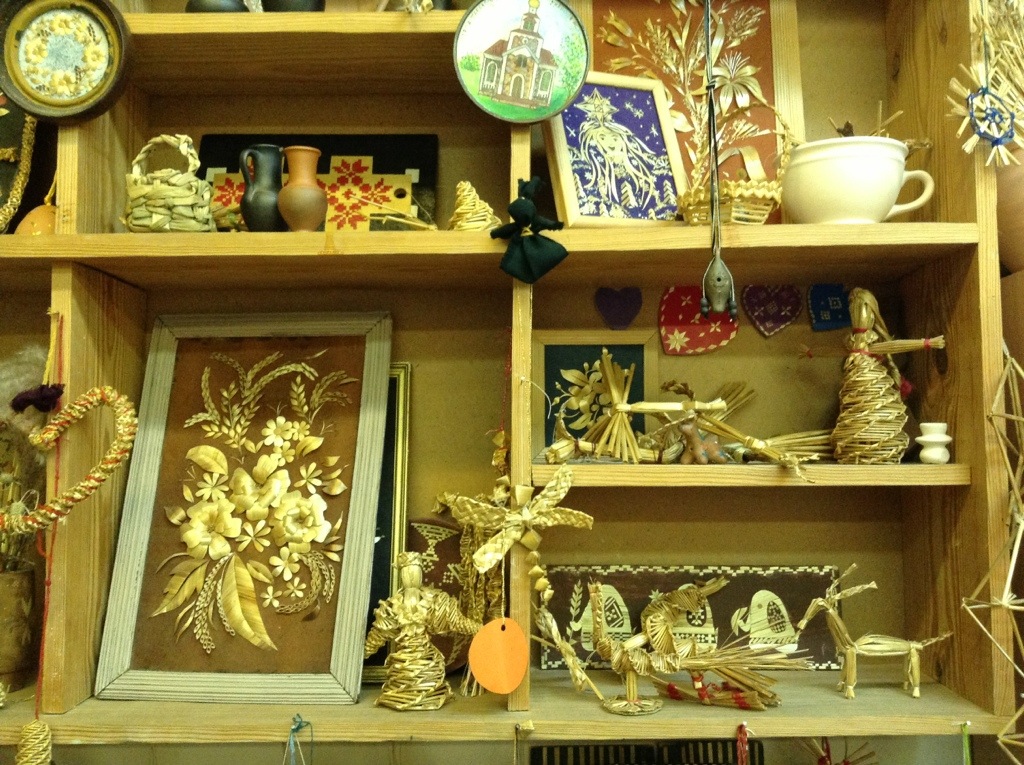
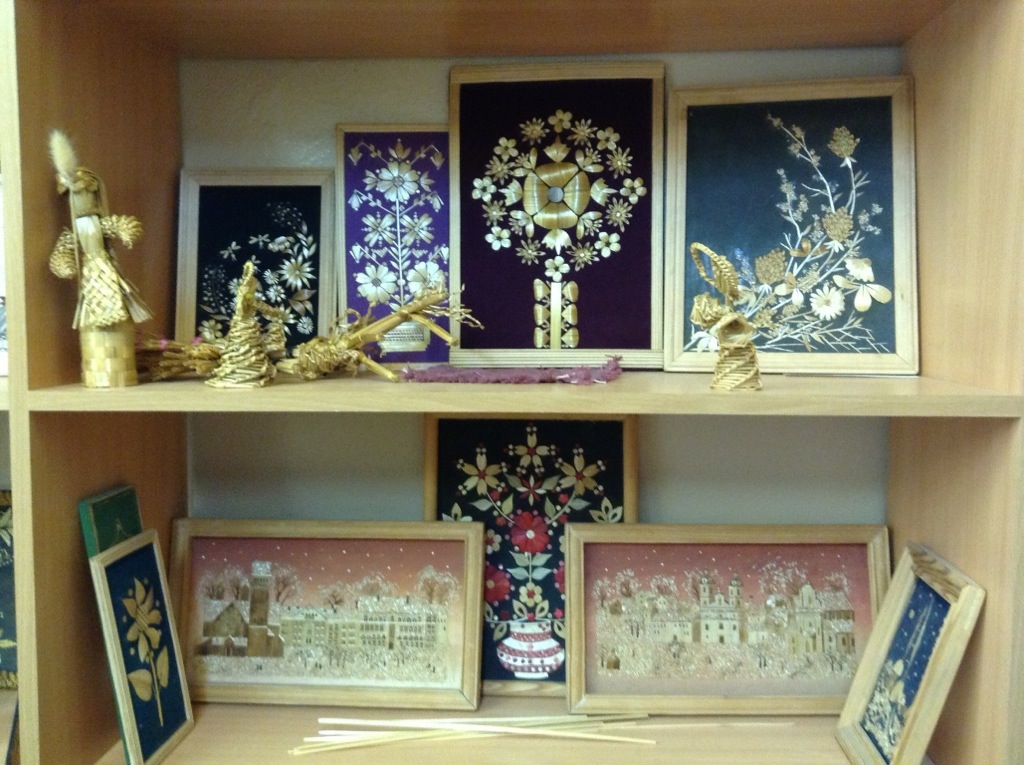
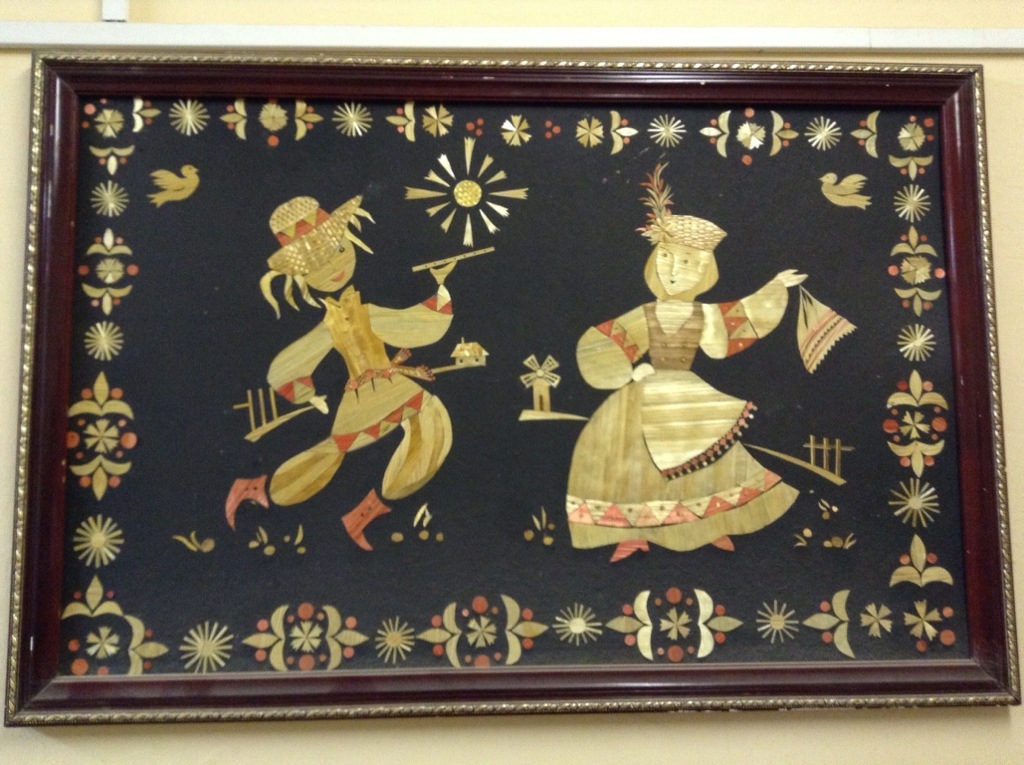
Today is fantastic day which had presented to me the journey around our Universe. I was dizzying in kaleidoscope of reflections of the Universe by children’s creative works I have seen in the School of Arts where my daughter is attended to choreographic class.  I am happy to share with you my beautiful dance in this journey where we are going to be the happiest people on our planet.

You know it was not a special occasion or exhibition. There are just shelves in the room where children are creating. We are lucky that we have a possibility to touch this Miracle.

Thank You for your being in my life.

20130530-193721.jpg

20130530-205855.jpg

20130530-210134.jpg

20130530-210159.jpg

20130530-210224.jpg

20130530-210243.jpg

20130530-210305.jpg

Fairy-tale King Ludwig II

Hello God!

Thank You for creating us and this wonderful world to explore. Yesterday I wrote about Richard Wagner and a picture of understanding this great personality demands a link with Bavaria’s “Maerchenkoenig” (or “Fairy-tale King”) Ludwig II.

“Even the most superficial study of Wagner’s life reveals the crucial role that Ludvig played… The French poet and aesthete, Robert de Montesquiou, had idolized Ludwig, kept a framed envelope addressed in the King’s hand, and built follies in the grounds of his chateau in emulation of his hero. for Ludvig had been a great builder of extravagant edifices”, I am reading in “The Swan King: Ludwig II of Bavaria” by Christopher McIntosh

“So here was a man who had been Wagner’s greatest devotee, who had built amazing castles, who had been a hero of the decadent French aesthetes and the nineties, and about whom there was more than a whiff of mystery and scandal,” Christopher continues.

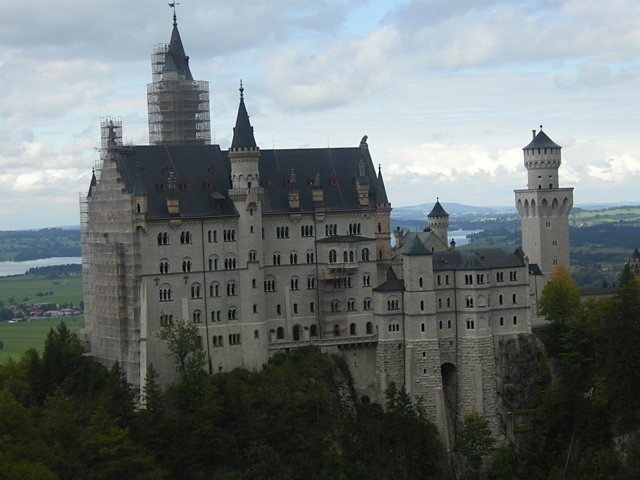
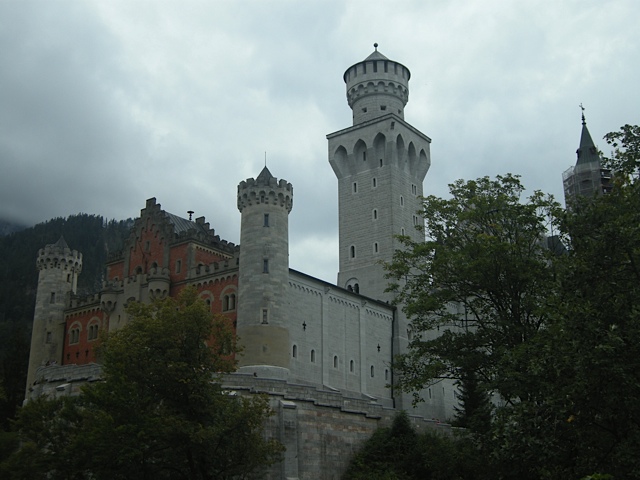
“Today, Ludwig remains famous for the castles he built and attempted to build, most notably Neuschwanstein Castle, perched high in the Alpine foothills. The king was a romantic, a friend and suporter of composer Richard Wagner, and he hired theatrical set designers rather than architects to design his castles,” I am reading in The Atlantic. This article is very good with photos I highly recommend it if you would like to see more photos.

“Even before he died, the king had already become something of a legend.  “I want to remain an eternal mystery to myself and others”, Ludwig once told his governess, and it is this mysterious element that still fascinates people today.

The poet Paul Verlaine called Ludwig II the “only true king of this century”. The shy dreamer, who had none of the typical characteristics of a popular king, lives on, still idolized, as “the Kini”.

“Ludwig enjoyed dressing up … took pleasure in play acting, loved pictures and the like … and liked … making presents of his property, money and other possessions”, said his mother. This was not to change. His vivid imagination, his tendency to isolate himself, and his pronounced sense of sovereignty were also already evident when Ludwig was a child.

Crown Prince Ludwig was already fascinated by the music dramas and writings of Richard Wagner. He wanted to bring the composer to Munich as soon as he became king, and realize his dream of an opera festival. In 1864 he summoned Wagner to him and thus rescued him from a serious financial crisis.

“… Today I was brought to him. He is unfortunately so beautiful and wise, soulful and lordly, that I fear his life must fade away like a divine dream in this base world … You cannot imagine the magic of his regard: if he remains alive it will be a great miracle!” wrote the composer after his first meeting.

In the following years, Munich became the music capital of Europe with the premieres of “Tristan und Isolde” (1865), “Die Meistersinger von Nürnberg” (1868), “Das Rheingold” (1869) and “Die Walküre” (1870). Ludwig II thus continued the patronage tradition of the House of Wittelsbach in grand style.

Ludwig II was possessed by the idea of a holy kingdom by the Grace of God. In reality he was a constitutional monarch, a head of state with rights and duties and little freedom of action. For this reason he built a fantasy world around him in which – far removed from reality – he could feel he was a real king. From 1875 on he lived at night and slept during the day.

Ludwig II increasingly identified himself with Parzival, the legendary medieval figure who became Grail King through his purity and faith and thereby redeemed his sinladen uncle. The inner battle for freedom from sin and purity is distressingly evident in the diaries of the extremely pious king. This particular legend is the subject of Richard Wagner’s last work “Parsifal”, which he began in 1877. Wagner and his circle privately referred to the king as “Parsifal”, and his problems were incorporated into the drama of the Grail. Neuschwanstein, originally a monument to the minnesingers of medieval times, was reinterpreted as the Castle of the Holy Grail and the Throne Room was redesigned as the Hall of the Holy Grail – dedicated to the mystery of salvation for the world.

 The “ideal monarchical poetic solitude” which the king chose for himself was not in the long run compatible with his duties as a head of state. The new settings he was constantly devising for himself were equally beyond the private means of a king. Ludwig failed through his desire to anchor his illusions and dreams in reality.

From 1885 on foreign banks threatened to seize his property. The king’s refusal to react rationally led the government to declare him insane and depose him in 1886 – a procedure not provided for in the Bavarian constitution. Ludwig II was interned in Berg Palace. The next day he died in mysterious circumstances in Lake Starnberg, together with the psychiatrist who had certified him as insane.” What’s the fascinating story!

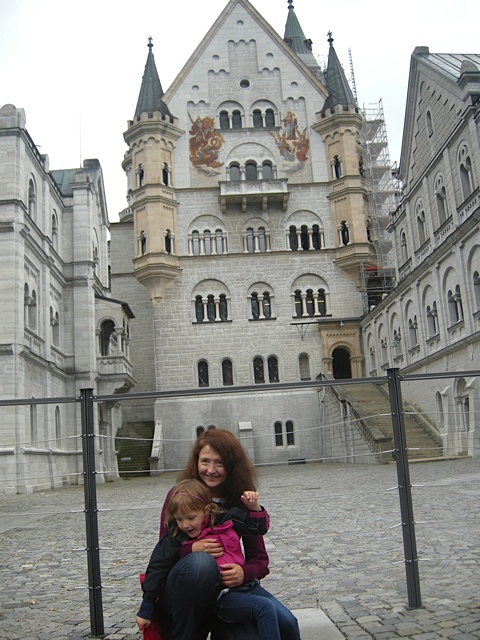
We have been in Bavaria and I am happy to share with you some photos of this fantastic and magic place.

Ludwigludwig1casle

We are the Winners of Green Card Due to We are Perfect Life!

We are the Winners of Green Card Due to We are Pure Love!

We are the Winners of Green Card Due to We are Pure Luck!